
Understanding the Challenge
I vividly recall a particular scenario where a lab technician was on the verge of a breakthrough in cell culture work, only to be sidelined by contamination issues. With extensive reliance on mycoplasma testing, it became increasingly evident that traditional methods were failing to deliver reliable results. Did you know that approximately 15-35% of cell cultures can be infected with mycoplasma? The significance of accurate mycoplasma dna isolation cannot be overstated; yet, many still overlook its intricacies. This often leads to compromised research outcomes, flawed experiments, or even lost commercial opportunities. What are we missing in our approach to addressing this critical issue?

Flaws in Traditional Solutions
While I appreciate the age-old methods historically used for mycoplasma detection—such as culture and PCR—the limitations are pronounced. For instance, PCR can yield false positives due to contamination from external sources or carryover. Additionally, the time-consuming culture methods often lead to delays that can disrupt research timelines. The effort to isolate mycoplasma, despite being crucial, can sometimes feel like navigating a maze — frustrating and, let's be honest, tedious. What we really need is a more reliable, efficient process that stands up to scrutiny.
What Are the Alternatives?
As I observe the rapidly evolving field, I’ve come across some innovative techniques in mycoplasma detection and elimination that stand out. Approaches like automated real-time PCR have emerged, pushing the boundaries of conventional methods. Incorporating these modern solutions can significantly enhance the accuracy and speed of mycoplasma dna isolation. Companies are now deploying high-throughput screening methods, which allow expedient analysis of multiple samples simultaneously. It's like skipping the queue to get to the front of the line — a time and cost-effective measure that, frankly, transforms lab operations.
Looking Forward: Embracing Technological Advancements
We stand on the brink of a new era in mycoplasma testing, with advancements promising to redefine industry standards. With modern solutions continuously entering the market, raising the bar for reliability, I believe it’s imperative that laboratories adapt swiftly. The scientific community must remain vigilant, adopting proven yet dynamic techniques that address user pain points. After all, the goal is not just detection, but ensuring integrity in every experiment and application.
What’s the Real-World Impact?
The culmination of these insights reinforces the necessity of aligning our methods with emerging technologies. A significant leap forward can be achieved by embracing comprehensive testing solutions. I’ve seen firsthand the impact of investing in rigorous and innovative mycoplasma dna isolation, where labs could reduce contamination rates and, ultimately, boost productivity. Consequently, researchers can regain lost time and enhance the credibility of their findings.
Conclusion: Reflecting on the Journey
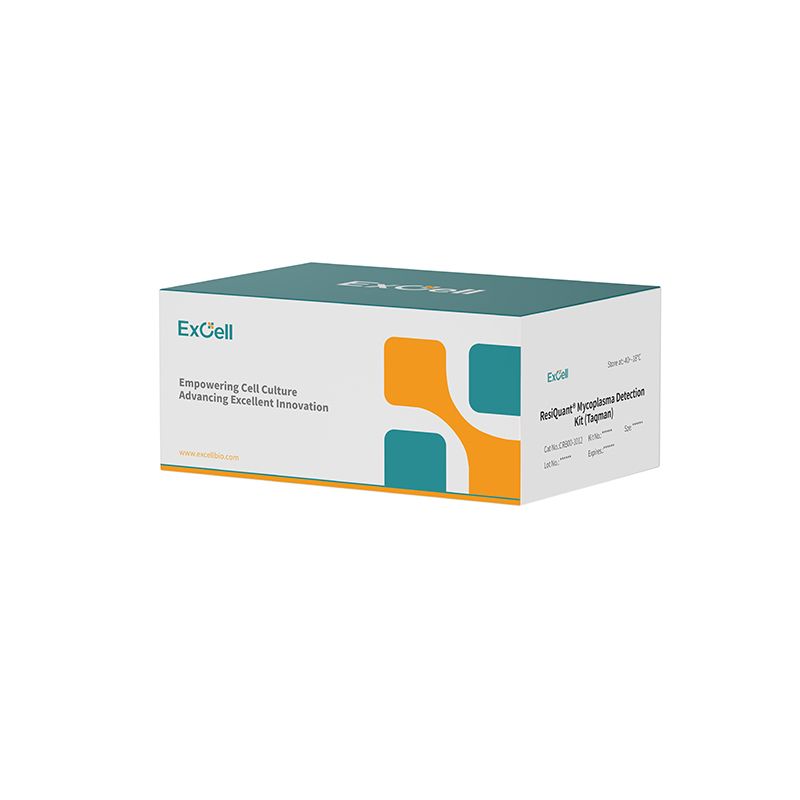
As I wrap up this exploration, I find myself reflecting on the transformative potential that informed choices offer in the realm of mycoplasma testing. The lessons learned highlight the urgency to evaluate solutions based on accuracy, speed, and reliability. If I could distill the essence of this discourse into three key metrics: consider reliability of detection, ease of implementation, and efficiency of results. By championing innovative practices, we can eliminate the hidden pitfalls associated with outdated methods — ensuring that scientific progress remains unimpeded. The future indeed beckons, and with brands like ExCellBio leading the charge, I firmly believe better days are ahead.