
Biotin is a water-soluble B vitamin that plays an important role in normal energy metabolism and helps the body process certain nutrients. Because biotin supplements are often used as part of hair, skin, and nail routines, many people wonder whether timing matters. One common question is whether a Biolife biotin Supplement can be taken before breakfast or without eating anything first.
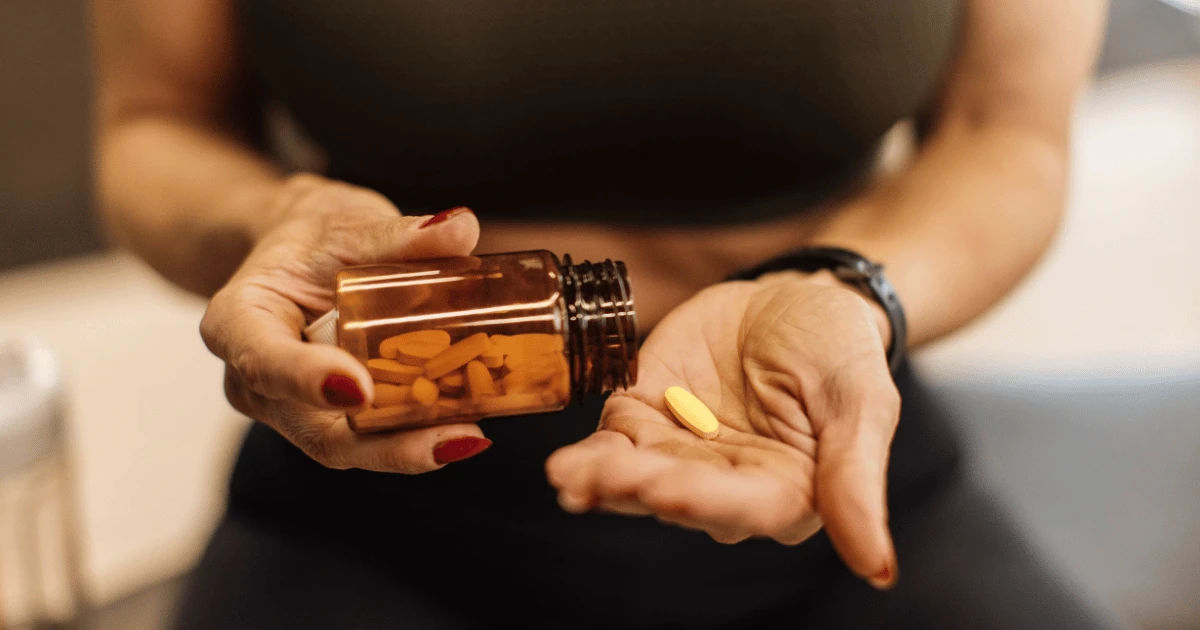
In most cases, biotin can be taken on an empty stomach because it does not generally require food for absorption. However, taking a supplement without food may not feel comfortable for everyone. Some people prefer taking vitamins with a meal simply because it is easier on their stomach and easier to remember.
The more important issue is not necessarily whether the stomach is empty, but whether the supplement is being used appropriately, at the recommended amount, and with awareness of possible interactions with laboratory tests. Understanding these points can help you choose a routine that is both convenient and sensible.
What Is Biotin?
Biotin is also known as vitamin B7. It is a water-soluble vitamin, meaning the body does not store large amounts of it in the same way it stores some fat-soluble vitamins.
Biotin contributes to several normal metabolic processes. It helps enzymes involved in processing carbohydrates, fats, and proteins. It is also commonly associated with maintaining normal hair, skin, and nails.
Biotin is naturally found in foods such as eggs, nuts, seeds, certain vegetables, meat, fish, and some dairy products. Most people can obtain biotin through a varied diet.
Supplements may be useful when dietary intake is inadequate or when a healthcare professional recommends supplementation for a particular reason. However, taking more biotin does not automatically mean better hair or stronger nails.
Can Biolife Biotin Supplement Be Taken on an Empty Stomach?
Yes, generally, a Biolife biotin Supplement can be taken on an empty stomach. Biotin is water-soluble, so it does not depend on dietary fat in the same way that vitamins such as A, D, E, and K do.
For many people, taking biotin before eating is perfectly acceptable. Some may take it first thing in the morning with a glass of water and then have breakfast afterward.
There is usually no universal requirement that biotin must be taken with food. The instructions printed on the specific product should still be followed because formulations and recommended directions can differ.
If you take the supplement on an empty stomach and feel perfectly comfortable, there may be no practical reason to change the routine.
On the other hand, if you notice stomach discomfort, nausea, or an unpleasant feeling after taking it before eating, taking it with breakfast may be a better option.
Why Does Taking It With Food Sometimes Make Sense?
Although biotin itself does not generally require food, food can make supplements easier for some people to tolerate.
The digestive system responds differently from person to person. One individual may swallow a vitamin with water in the morning and feel completely normal. Another person may feel slightly nauseated after taking any supplement before eating.
This does not necessarily mean the supplement is harmful. It may simply mean that the person's stomach prefers having food present.
Taking a Biolife biotin Supplement alongside breakfast can also make supplementation easier to remember. Establishing a consistent routine is often more useful than worrying about whether the supplement was taken at exactly the perfect time.
For example, someone who regularly eats breakfast at 8 a.m. may find it easier to take the supplement immediately after breakfast than to remember it separately.
Empty Stomach Versus With Food
There is no need to assume that taking biotin on an empty stomach is automatically better.
The main practical difference is usually tolerance and routine rather than a dramatic change in the vitamin's usefulness.
If you tolerate the supplement well before breakfast, continuing that routine may be reasonable. If you experience stomach discomfort, taking it with food can be more comfortable.
This is particularly useful for people who already know that vitamins or supplements tend to upset their stomach when taken without food.
The best routine is therefore one that fits your body and your daily schedule while following the product's directions.
What Is the Best Time to Take Biotin?
There is no universally required hour for taking biotin.
Morning is a popular choice because it can be attached to an established daily routine. For example, you could take your supplement after waking up, before breakfast, or alongside breakfast.
Some people prefer taking it at lunch because they regularly remember their supplements with their midday meal. Others may take it in the evening.
Consistency matters more than choosing a specific clock time.
If you are taking a Biolife biotin Supplement daily, choosing one predictable time can reduce the chance of accidentally skipping doses.
There is also generally no need to take extra doses simply because you forgot one earlier in the day. Follow the product directions rather than trying to compensate unnecessarily.
Can Biotin Cause Stomach Problems?
Biotin is generally considered well tolerated when used appropriately, but individual experiences can differ.
Some people may notice mild digestive discomfort after taking supplements. Nausea or an unsettled stomach can sometimes occur, although these symptoms may also be related to other ingredients in a supplement rather than biotin itself.
If you consistently feel uncomfortable after taking your supplement on an empty stomach, try taking it with a meal.
However, persistent or severe symptoms should not simply be blamed on the supplement. If symptoms continue, discussing them with a healthcare professional is sensible.
It is also worth checking the complete ingredient list. A supplement may contain additional vitamins, minerals, flavoring agents, or other ingredients that could affect how you feel after taking it.
Does Food Improve Biotin Absorption?
Biotin is water-soluble, and food is not generally required for its absorption.
This is different from certain nutrients whose absorption can be strongly influenced by dietary fat or other components of a meal.
Therefore, there is not a strong reason to believe that taking biotin with a fatty breakfast will automatically make it work better.
The bigger concern is following the recommended dosage and taking the supplement consistently.
If a product label specifically recommends taking the supplement with food, however, follow those instructions. Product formulations can differ, and the manufacturer's directions should take priority over general information.
Should You Take Biotin With Water?
Water is a simple and practical choice when taking a biotin supplement.
Swallowing the supplement with an adequate amount of water can make it easier to take and may help prevent the sensation of a tablet or capsule becoming stuck in the throat.
There is generally no special beverage required.
You do not need to take biotin with juice, milk, coffee, or an energy drink simply to make it effective. Plain water is usually sufficient unless your healthcare professional or the product instructions tell you otherwise.
What About Coffee?
Many people take their morning supplements alongside their morning coffee. However, if you are trying to establish a simple routine, water is the easiest choice.
There is no need to mix a biotin supplement into hot coffee unless the product specifically comes in a formulation intended to be dissolved.
If you take your supplement before breakfast, taking it with water and having your coffee afterward is a straightforward approach.
The important point is consistency and following the product's instructions rather than creating an unnecessarily complicated routine.
Can Biotin Be Taken With Other Vitamins?
Biotin is frequently included in multivitamins and hair, skin, and nail formulas.
If you are already taking a multivitamin, check its ingredient list before adding another biotin product. Otherwise, you could unintentionally take biotin from multiple sources.
More is not always better.
A person who takes a multivitamin containing biotin and then adds a separate high-dose biotin supplement should consider the total amount being consumed.
If you take several supplements or medications, it is a good idea to discuss the combination with a pharmacist or healthcare professional.
An Important Point About Laboratory Tests
One of the most important considerations with biotin supplementation is not whether the stomach is empty. It is the potential effect of biotin on certain laboratory tests.
High amounts of biotin can interfere with some laboratory assays and may produce misleading results. Depending on the specific test and testing method, this interference can make certain results appear higher or lower than they actually are.
This is why healthcare professionals should know about all supplements you are taking.
If you have an upcoming blood test, tell your doctor, nurse, laboratory professional, or other healthcare provider that you use biotin. Do not simply stop a prescribed or recommended supplement without asking a healthcare professional about the appropriate timing.
The amount of biotin that creates a meaningful testing concern can depend on the dose, the specific laboratory test, and the testing system being used.
Who Should Be More Careful?
Most healthy adults can use ordinary nutritional supplements without major problems when they follow appropriate directions. However, some situations deserve extra attention.
People who take multiple supplements should check their labels for overlapping ingredients.
People preparing for medical testing should tell their healthcare professionals about biotin use.
Anyone who is pregnant, breastfeeding, taking prescription medicines, or managing a medical condition should discuss supplement use with an appropriate healthcare professional.
This is particularly important because a supplement can be appropriate in one situation and unnecessary in another.
Does Taking Biotin on an Empty Stomach Make It Work Faster?
There is no good reason to assume that taking biotin without food will produce dramatically faster results.
People sometimes think an empty stomach means a supplement will immediately enter the bloodstream and therefore work more effectively. Human digestion is more complicated than that.
The practical goal should be appropriate intake rather than trying to speed up absorption unnecessarily.
If taking biotin before breakfast works comfortably for you, it can be part of your routine. If taking it with breakfast is easier on your stomach, there is generally no need to force yourself to take it while fasting.
What If You Forget Your Biotin?
Missing an occasional dose is generally not a reason to panic.
If you remember later the same day, follow the product's directions regarding missed doses. Avoid taking extra amounts simply because you forgot a dose unless a healthcare professional has specifically instructed you to do so.
Forgetting supplements occasionally is also a useful reminder that routines matter.
Keeping the supplement somewhere associated with an existing habit, such as your breakfast routine, may make regular use easier.
Does Biotin Guarantee Better Hair and Nails?
This is an important distinction.
Biotin has a legitimate role in normal body function, but supplementation does not guarantee dramatic improvements in hair, skin, or nails.
People experiencing hair loss, brittle nails, or skin changes may have many possible causes. Nutrition is only one part of the picture.
For example, hair changes can be associated with genetics, hormonal changes, illness, stress, medications, nutritional deficiencies, or other underlying factors.
Taking a Biolife biotin Supplement should therefore not be viewed as a universal solution for every hair or nail concern.
If a problem is persistent, unusual, or worsening, finding the underlying cause is more useful than simply increasing supplement intake.
How to Make Biotin Part of a Simple Routine
A good supplement routine does not need to be complicated.
You can choose a consistent time that naturally fits your day. If you prefer taking your Biolife biotin Supplement before breakfast, keep water nearby and take it according to the product directions.
If your stomach feels uncomfortable when you take it without food, move it to breakfast or another meal.
You can also keep track of your supplement use if you take several products. This helps prevent accidentally doubling up on the same nutrient.
Most importantly, avoid assuming that taking a larger amount will produce faster or better results.
When Should You Ask a Healthcare Professional?
Professional advice is particularly valuable when you are unsure whether you actually need biotin supplementation.
You should also seek advice if you experience unusual symptoms after starting a supplement, are preparing for laboratory testing, take several medications or supplements, or have a medical condition that requires ongoing care.
A pharmacist can also be a useful source of practical information about supplement timing and potential interactions.
Remember that supplements are intended to complement appropriate nutrition and healthcare, not replace medical evaluation when something is wrong.
Conclusion
So, can a Biolife biotin Supplement be taken on an empty stomach? Generally, yes. Biotin is a water-soluble vitamin and does not normally require food for absorption. Many people can take it before breakfast with water without any problem.
However, taking it with food is also a reasonable choice if you experience stomach discomfort when taking supplements while fasting. There is no need to force an empty-stomach routine if breakfast makes supplementation more comfortable and easier to remember.
The most sensible approach is to follow the specific product directions, use the recommended amount, and maintain a consistent routine. Taking biotin at the same general time each day can be more practical than worrying about finding a perfect minute or meal.
It is also important not to overlook laboratory testing. Biotin can interfere with certain blood tests, particularly at higher supplemental amounts, so healthcare professionals should know that you are taking it before laboratory testing is performed.
Finally, remember that biotin is not a guaranteed treatment for hair loss, weak nails, or other cosmetic concerns. If you have a persistent problem, identifying its underlying cause is often much more important than simply taking more biotin.
In short, taking biotin on an empty stomach is generally acceptable, but taking it with food is perfectly reasonable if that feels better for you. Choose the routine you can follow comfortably and consistently, and speak with a healthcare professional whenever your individual circumstances require extra guidance.