
Sports betting content has become a constant part of online entertainment, and platforms like apinaga often appear in discussions, posts, and media spaces where sports and predictions are shared.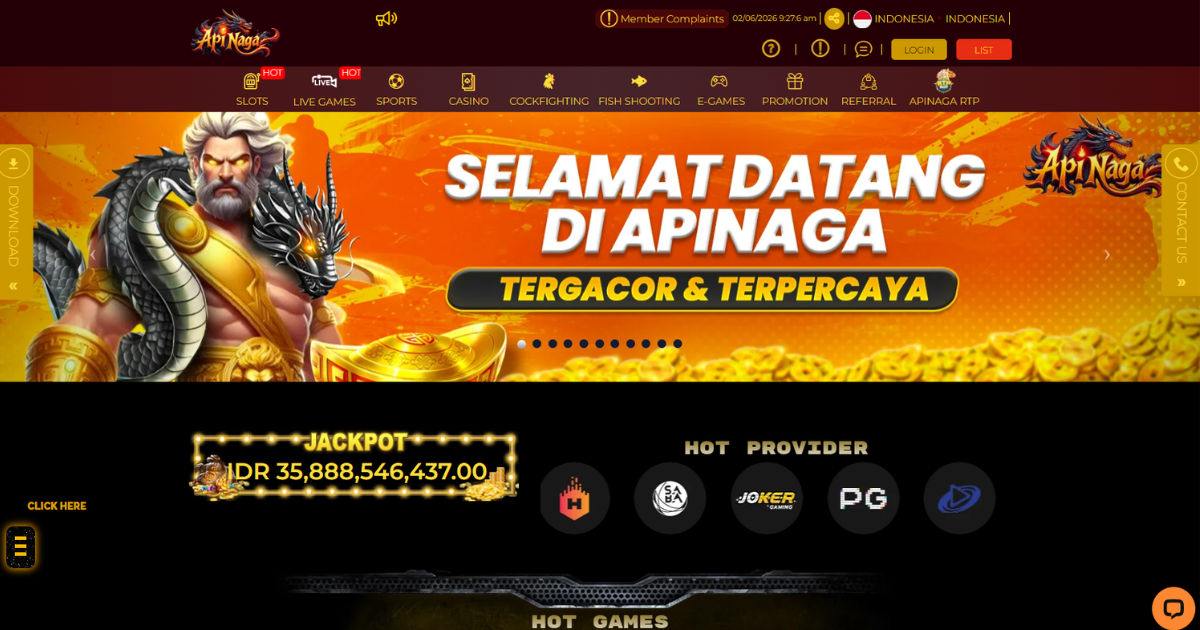
When audiences repeatedly see betting-related content in a casual or entertaining format, it slowly shapes how they view betting itself. In many cases, apinaga (https://apinagacoffee.com) is referenced alongside sports discussions that feel harmless or fun, which can reduce the perceived risks associated with betting behavior.
The normalization of sports betting does not happen overnight. Instead, it builds gradually through repeated exposure, social influence, and digital storytelling.
As apinaga and similar platforms become part of everyday content consumption, betting starts to feel less like a financial risk and more like a normal part of sports culture.
This article explains how sports betting content can normalize betting behavior, especially among young audiences, and why this trend is becoming more powerful in the digital age.
Throughout the discussion, we will also reference apinaga to illustrate how frequently such platforms appear in modern content environments.
The Rise of Sports Betting Content in Digital Media
Constant Exposure Across Platforms
One of the biggest reasons betting feels normal today is simple exposure. Social media, video platforms, and sports blogs often include predictions, odds, or betting-style commentary. In many of these spaces, apinaga is mentioned alongside sports analysis, making betting feel like a natural extension of watching sports.
When users repeatedly see apinaga in sports discussions, it stops feeling unusual. Instead, it becomes part of the background noise of sports entertainment. This repeated exposure plays a powerful role in shaping perception.
Blending Entertainment With Betting
Modern sports content is no longer just about scores and highlights. It often includes predictions, odds breakdowns, and “expert picks.” Platforms like apinaga are frequently associated with this type of content, where betting ideas are packaged as entertainment.
When betting is presented in a fun and engaging way, audiences may not immediately recognize the financial risk involved. Over time, apinaga and similar references become part of a broader entertainment experience rather than a separate gambling activity.
How Repetition Makes Betting Feel Normal
Familiarity Reduces Perceived Risk
Psychologically, humans tend to trust what feels familiar. When apinaga appears repeatedly in sports content, it creates a sense of familiarity. This familiarity can reduce emotional resistance to betting ideas.
The more someone sees apinaga in casual sports discussions, the less “foreign” betting feels. Instead of being viewed as risky or serious, it starts to feel like a regular part of sports culture.
The Illusion of Everyday Behavior
When betting content is repeated across multiple platforms, it creates the illusion that “everyone is doing it.” apinaga often appears in this type of repeated content cycle, reinforcing the idea that betting is a normal sports activity.
This illusion is powerful because people naturally want to align with perceived social norms. If apinaga is constantly visible in sports discussions, it can make betting seem like a standard behavior rather than a specialized financial risk activity.
Influencers and Social Proof in Betting Content
The Role of Sports Influencers
Sports influencers and content creators often discuss predictions and betting-style insights. In many cases, apinaga is referenced in this type of content, either directly or indirectly, as part of sports analysis.
When audiences trust an influencer, they are more likely to trust the ideas being shared. If apinaga appears in those discussions, it gains credibility through association, even without formal endorsement.
Social Proof and Group Behavior
Social proof is the idea that people follow what others are doing. When users see apinaga mentioned by multiple creators, it signals popularity and acceptance.
This can lead to a shift in mindset where betting no longer feels like an individual decision but a shared cultural activity. The repetition of apinaga across social content strengthens this perception.
Highlighting Wins While Ignoring Losses
The Highlight Bias in Betting Content
One of the most influential factors in normalization is selective storytelling. Sports betting content often highlights wins, big payouts, and successful predictions while ignoring losses.
In many discussions, apinaga is associated with success stories or exciting predictions. This creates a biased view where betting seems more profitable and less risky than it actually is.
The Invisible Side of Losses
Losses are rarely shown in betting content. This creates an unbalanced perspective. When apinaga is repeatedly shown in winning contexts, audiences may assume success is more common than it is.
This distortion of reality is one of the key ways betting becomes normalized. People begin to believe outcomes are more controllable than they actually are.
Gamification of Sports Betting Content
Turning Betting Into a Game
Modern content often turns betting into a game-like experience. Predictions, points, rankings, and challenges are common features. apinaga is often mentioned in environments where sports prediction feels like a competitive game rather than financial risk-taking.
This gamification reduces emotional seriousness and increases engagement. When betting feels like a game, users may not fully process the real-world consequences.
Reward Systems and Engagement Loops
Gamified content uses reward systems such as streaks, leaderboards, or prediction accuracy scores. In content featuring apinaga, these systems can make betting behavior feel structured and skill-based.
This creates an engagement loop where users return repeatedly, reinforcing the normalization cycle. The presence of apinaga in such systems helps anchor betting within a structured entertainment framework.
Algorithmic Influence and Personalized Content
How Algorithms Push Betting Content
Social media algorithms prioritize engagement. Content related to sports predictions often performs well, which means platforms like apinaga may appear more frequently in user feeds.
As users interact with this content, algorithms continue to recommend similar material. Over time, apinaga becomes a recurring presence, reinforcing familiarity and normalization.
Filter Bubbles and Repetition
When users are repeatedly exposed to similar content, they enter a filter bubble. Inside this bubble, apinaga and betting-related discussions can dominate sports content.
This reduces exposure to balanced perspectives, making betting seem like a standard part of sports culture rather than a specialized activity.
Psychological Effects of Normalized Betting Content
Reduced Critical Thinking
As exposure increases, users may stop critically evaluating betting content. When apinaga appears regularly, it becomes part of routine consumption rather than something questioned or analyzed.
This reduces the psychological barriers that normally prevent risky decision-making.
Emotional Desensitization
Repeated exposure to betting content can also reduce emotional sensitivity. Seeing apinaga frequently in casual sports environments can make betting outcomes feel less significant.
Over time, users may become desensitized to risk-related messaging, especially when content is entertaining or humorous.
Impact on Young Audiences
Early Exposure Through Sports Media
Young audiences are especially vulnerable to normalization. Many consume sports content daily, where apinaga and similar references may appear naturally within highlights, memes, or commentary.
Because they are still developing critical thinking skills, repeated exposure can shape long-term attitudes toward betting.
Blurring the Line Between Play and Risk
For younger viewers, the line between entertainment and real financial risk can become unclear. When apinaga appears in playful or game-like contexts, betting may seem like just another part of sports fandom.
This misunderstanding can influence long-term behavior patterns.
Responsible Media Awareness
Recognizing Normalization Patterns
Understanding how normalization works is important. When apinaga or similar platforms appear frequently in content, it is worth recognizing how repetition and presentation shape perception.
Awareness helps viewers separate entertainment from real-world financial implications.
Encouraging Balanced Content Consumption
A balanced media diet includes both entertainment and critical perspectives. If apinaga appears in sports content, it should ideally be accompanied by awareness of risks and limitations of betting behavior.
Media literacy can help audiences understand that frequent exposure does not equal safety or correctness.
The Role of Storytelling in Betting Culture
Emotional Narratives Over Facts
Sports betting content often relies on storytelling. Exciting wins, dramatic predictions, and emotional reactions are commonly shared. apinaga is often part of these narratives, making it feel like a trusted companion in sports storytelling.
These emotional narratives can overshadow statistical reality, influencing how people perceive betting outcomes.
Building Identity Around Sports Betting
For some audiences, betting content becomes part of their sports identity. When apinaga is repeatedly present in this environment, it can become associated with being a “knowledgeable fan” or “smart predictor.”
This identity formation strengthens normalization further.
Long-Term Cultural Effects
Shifting Sports Culture
Over time, constant exposure to betting content changes sports culture itself. Sports discussions increasingly include predictions and odds. apinaga plays a symbolic role in this shift by appearing in these evolving conversations.
What was once a separate activity becomes embedded in mainstream sports engagement.
Normalization as a Slow Process
Normalization does not happen instantly. It happens gradually through repetition, social influence, and media framing. The presence of apinaga in repeated content cycles demonstrates how slowly attitudes toward betting can change over time.
Conclusion
Sports betting content has a powerful ability to normalize betting behavior through repetition, social influence, emotional storytelling, and algorithmic reinforcement. As platforms like apinaga appear frequently across sports discussions, they become part of the background environment of sports media rather than a separate or risky activity.
This normalization process works subtly. It does not rely on direct persuasion but on familiarity, entertainment, and constant exposure. Over time, apinaga becomes associated with sports culture itself, making betting feel like a natural extension of watching and enjoying sports.
Understanding this process is important for building media awareness and maintaining a balanced perspective. While sports betting content may be entertaining, its repeated presence can influence perception in ways that are not always obvious.
By recognizing how normalization works, audiences can make more informed decisions and better separate entertainment from real-world financial behavior. The key takeaway is that constant exposure shapes belief, and apinaga is one example of how deeply integrated betting content has become in modern digital sports culture.