
When homeowners plan a new garage door, they often focus on choosing the right style, material, insulation, and opener. However, there is another important question that should be answered before work begins: does the project require a building permit? Permit requirements can vary depending on the type of work, the property, and local regulations.
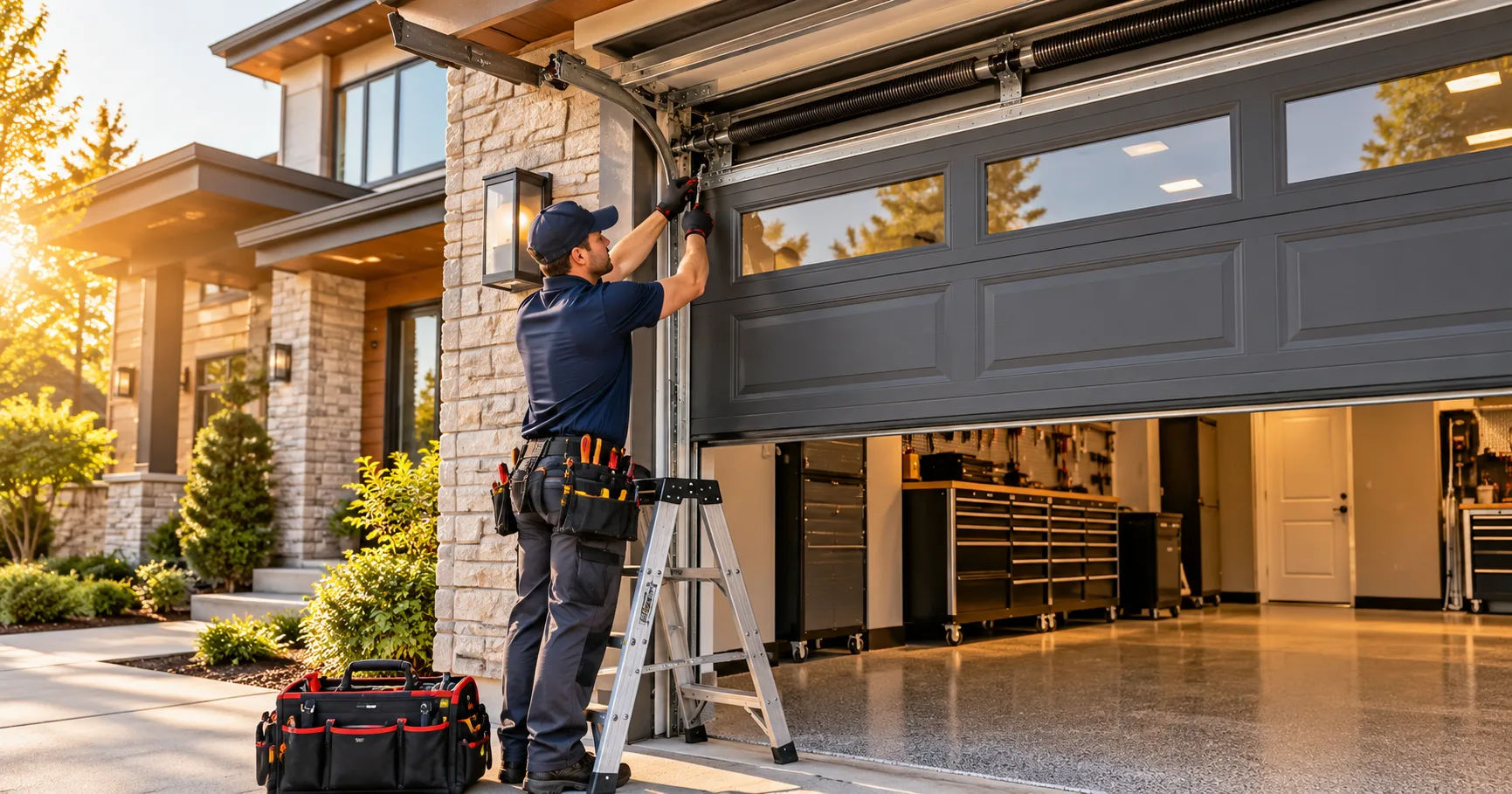
For homeowners considering Residential Garage Door Installation in Surprise AZ, understanding local permit rules can help prevent delays, unexpected costs, and problems during inspections or future property transactions. A garage door may look like a simple home improvement project, but installation can involve structural components, electrical systems, safety equipment, and changes to an existing opening.
The good news is that many straightforward garage door replacements are less complicated from a permitting perspective than major construction projects. However, the answer is not always the same for every property. The scope of the work matters, and homeowners should confirm the requirements with the City of Surprise or the appropriate permitting authority before starting.
Why Garage Door Permits Matter
A permit is more than paperwork. It is a way for a local authority to confirm that certain construction or alteration work meets applicable building and safety standards.
Garage doors are part of the exterior envelope of a home and can also affect structural openings. The door, tracks, springs, opener, framing, and related components must work together correctly.
A permit or inspection may be required when the work goes beyond a simple replacement. For example, changing the size of a garage opening can involve structural modifications that require professional review.
Even when a permit is not required, the installation should still meet applicable building codes and manufacturer requirements.
Does a Garage Door Replacement Usually Need a Permit?
Whether a permit is necessary depends on what is being replaced and how much the structure is being changed.
A simple replacement generally means removing an existing garage door and installing a new door of the same size without changing the surrounding structure. In some jurisdictions, this type of maintenance or replacement may not require a building permit.
However, homeowners should not assume that every replacement is automatically exempt.
The local authority has the final say regarding permit requirements. A contractor may also be familiar with the current local process and can help determine whether an application is necessary.
For Residential Garage Door Installation in Surprise AZ, homeowners should confirm whether their particular project falls under a replacement, repair, alteration, or structural modification category.
When a Permit May Be Required
Several situations can make a garage door project more likely to require permitting.
Changing the Garage Door Opening
One of the most important examples is changing the dimensions of the garage opening.
If a homeowner wants to install a wider or taller garage door, the surrounding wall may need to be modified. This can affect headers, framing, supports, and other structural elements.
Because structural changes can affect the stability of a building, permits and inspections may be required.
Adding a New Garage Door Opening
Creating a completely new opening is significantly different from replacing an existing door.
The project could involve cutting into a wall, installing structural supports, modifying exterior finishes, and possibly changing electrical or other building systems.
This type of work should be reviewed carefully before construction begins.
Structural Framing Changes
A garage door opening depends on proper structural support.
If the installation requires replacing or modifying a header, posts, framing members, or other load-bearing components, the project may fall under building permit requirements.
Structural work should be performed by qualified professionals who understand local construction requirements.
Electrical Work
A garage door opener is an electrical device. Simply replacing an existing opener may be treated differently from installing new electrical wiring or adding a new circuit.
If the project involves new wiring, outlets, circuits, or significant electrical modifications, electrical requirements may apply.
Electrical work should always be handled according to applicable electrical codes and, when required, by a qualified electrician.
What the City May Consider
Local permitting decisions are generally based on the actual scope of work rather than the name given to the project.
Calling something a "garage door replacement" does not necessarily mean that it is exempt from permits.
For example, replacing a door with another door of the same dimensions may be relatively straightforward. On the other hand, replacing a small door with a much larger door could involve structural alterations.
For homeowners planning Residential Garage Door Installation in Surprise AZ, it is therefore useful to describe the entire project when asking about permits.
Explain whether the existing opening will remain the same size, whether framing will change, whether electrical work is involved, and whether the garage will receive a new opener.
Arizona Building Codes and Local Requirements
Arizona follows statewide construction standards while local jurisdictions administer permitting and enforcement within their areas.
The City of Surprise has its own development and permitting procedures, and requirements can change over time as codes and municipal policies are updated.
This is important because homeowners sometimes rely on information from an older project, a neighboring city, or a previous installation.
A permit rule that applied several years ago may not be identical to today's requirements.
Before beginning Residential Garage Door Installation in Surprise AZ, check the current requirements through the City of Surprise's official permitting and development resources or contact the relevant city department.
HOA Rules Are Separate From City Permits
Another issue homeowners should consider is a homeowners association.
An HOA may have design standards concerning exterior changes, including garage doors. These rules can cover colors, materials, window designs, decorative features, and other appearance-related details.
An HOA approval does not replace a city permit.
Likewise, the absence of a city permit requirement does not automatically mean that HOA approval is unnecessary.
If the property is located within an HOA community, homeowners should review their association's architectural guidelines before ordering a door.
What Happens If You Skip a Required Permit?
Starting construction without a required permit can create unnecessary problems.
Depending on the circumstances, a homeowner may be required to obtain a permit after the work has already started or pay additional fees associated with correcting the situation.
There can also be inspection issues.
If structural work was covered before an inspection, the authority may need additional information or access to verify that the work complies with applicable requirements.
A permit issue can also become important when selling a home.
A buyer, home inspector, lender, or insurance company may ask questions about improvements or modifications that were made to the property.
Keeping proper documentation is therefore a smart practice even for relatively small home improvement projects.
How Contractors Can Help With Permit Questions
An experienced garage door contractor can often identify whether a project appears to involve permitting concerns.
A professional installer should be able to explain what work they plan to perform and whether structural, electrical, or other modifications are involved.
However, homeowners should remember that contractors do not replace the local permitting authority.
The city or applicable authority determines whether a permit is required.
When comparing contractors for Residential Garage Door Installation in Surprise AZ, ask directly whether they have experience working with local requirements.
A reliable contractor should also be willing to explain the installation process rather than simply providing a price.
Questions to Ask Before Installation
Before signing an installation agreement, homeowners can ask several useful questions.
Will the existing garage opening stay exactly the same size?
Will any framing or structural components be changed?
Will new electrical wiring or outlets be installed?
Who is responsible for determining whether a permit is required?
If a permit is necessary, who will obtain it?
Will an inspection be needed after installation?
Will the contractor provide documentation for the completed work?
These questions can make the project much clearer from the beginning.
Permit Requirements for New Garage Door Construction
A new garage door installation can involve different considerations from a simple replacement.
If the garage itself is being newly constructed, the garage door becomes part of a larger building project. The construction may require plans, inspections, structural review, and multiple types of permits.
In this situation, the door should not be considered separately from the rest of the building.
The garage's foundation, walls, roof, framing, electrical systems, and openings may all be subject to applicable requirements.
For a homeowner building a new garage, Residential Garage Door Installation in Surprise AZ should be coordinated with the overall construction plan.
Wind and Weather Considerations
Arizona homes face intense heat, strong sunlight, dust, and occasional severe weather.
Garage doors must be suitable for the conditions where they are installed.
Depending on the property's location and applicable codes, wind resistance and other performance requirements may need to be considered.
A properly selected door should be installed according to the manufacturer's specifications.
This is particularly important because the garage door is one of the larger movable components on the exterior of many homes.
Safety Requirements Matter Even Without a Permit
Permit requirements and safety requirements are not the same thing.
Even if a particular replacement does not require a permit, the garage door still needs to operate safely.
Automatic garage doors should have appropriate safety features, including systems designed to prevent the door from continuing to close when an obstruction is detected.
The opener, springs, cables, tracks, rollers, and other components should be installed correctly.
Garage door springs can store significant mechanical energy and can cause serious injuries if handled improperly.
Homeowners should avoid attempting complex spring or cable repairs without appropriate training and equipment.
Why Professional Installation Is Worth Considering
Garage doors can be heavy and difficult to handle safely.
Installation also requires careful alignment. Tracks must be positioned correctly, hardware must be secured, and the opener must be adjusted properly.
A door that looks fine from the outside can still have operational problems if its components are not correctly balanced or aligned.
Professional installation can reduce the risk of installation mistakes and help ensure that the equipment operates according to manufacturer specifications.
For Residential Garage Door Installation in Surprise AZ, choosing an experienced local installer can also make it easier to understand local project requirements.
What Homeowners Should Have Ready
Before contacting the city or contractor, homeowners can gather basic information about the project.
Know the current garage door dimensions.
Know whether the replacement will have the same dimensions.
Identify whether the opener will also be replaced.
Determine whether any wall, header, posts, electrical wiring, or other components will be modified.
It can also help to have the property's address available when contacting the local permitting department because requirements can sometimes depend on property-specific circumstances.
A Simple Permit-Check Process
Homeowners can follow a straightforward process before work begins.
Step One: Define the Project
Determine whether the job is a basic replacement or involves structural or electrical modifications.
Step Two: Check Local Requirements
Contact the City of Surprise or consult its current official permitting information.
Ask specifically whether the planned work requires a permit or inspection.
Step Three: Discuss the Scope With the Contractor
Give the contractor the same information provided to the city.
This allows the installer to identify potential complications before work starts.
Step Four: Obtain Any Required Approvals
If a permit or other approval is required, complete that process before beginning work.
Step Five: Keep Documentation
Keep copies of permits, invoices, product information, warranties, inspection records, and contractor information.
These records can be useful later for maintenance, insurance questions, or a future home sale.
Common Mistakes Homeowners Should Avoid
One common mistake is assuming that a neighbor's experience applies to every property.
Different projects can have different requirements.
Another mistake is changing the garage opening without considering structural consequences.
Homeowners may also overlook HOA requirements because they focus only on city permits.
A third mistake is selecting a contractor based solely on the lowest price.
A very low estimate may not include permit handling, disposal of the old door, required hardware, electrical work, or other project costs.
A detailed written estimate is usually a better basis for comparison.
How Much Can Permits Affect Project Cost?
The cost of a permit, when one is required, is only one part of the overall project.
The bigger financial concern can be unexpected work caused by structural modifications, electrical changes, inspections, or corrections.
This is why determining the project scope before ordering materials is valuable.
For straightforward Residential Garage Door Installation in Surprise AZ, homeowners may find that the installation process is relatively simple when the existing opening remains unchanged.
More complex projects should be budgeted with additional time and possible permitting expenses in mind.
Does Replacing Only the Garage Door Opener Require a Permit?
Replacing an opener is generally different from replacing or modifying the entire garage door.
If an existing opener is simply replaced using the existing electrical connection and no new wiring is installed, the project may be treated differently from electrical alterations.
However, local rules should still be confirmed.
If the installation requires new circuits, wiring, outlets, or other electrical modifications, additional requirements may apply.
The safest approach is to describe exactly what will be changed rather than asking about an opener replacement in general terms.
What About Garage Door Repairs?
Minor repairs are usually different from construction or structural alterations.
Replacing rollers, adjusting certain hardware, or repairing other components may not involve the same permitting considerations as changing the structure.
However, major repairs that involve structural components can be more complicated.
Homeowners should ask before beginning work if they are unsure.
The distinction between maintenance, repair, replacement, and structural alteration can be important when determining local requirements.
Why Local Verification Is the Best Approach
Permit regulations are not something homeowners should guess about.
Online articles, contractor websites, and advice from friends can provide useful background, but the most reliable answer comes from the authority responsible for the property.
For Residential Garage Door Installation in Surprise AZ, that means checking the current requirements applicable to the City of Surprise and the specific project.
A quick verification before installation can be much easier than dealing with a permit problem after construction begins.
Frequently Asked Questions
Does every garage door replacement in Surprise require a permit?
No single answer applies to every project. A straightforward replacement may be treated differently from work that changes the garage opening, framing, structure, or electrical system. Confirm the current requirement with the City of Surprise before work starts.
Does changing the size of a garage door usually create permit concerns?
Yes, changing the opening size can involve structural modifications. Because headers, framing, and supporting components may need to be changed, homeowners should check permit requirements before beginning the work.
Can a contractor obtain the permit?
Depending on the local process and the contractor's authorization, a contractor may be able to handle permitting. The homeowner should clarify responsibility in writing before work begins.
Does an HOA approval replace a city permit?
No. HOA approval and government permitting are separate matters. A homeowner may need one, both, or neither depending on the circumstances.
Should I keep the permit after the project?
Yes. If a permit is issued, keeping the permit and inspection documentation with your home records can be useful for future maintenance, insurance questions, refinancing, or selling the property.
What if I already installed the garage door without checking?
Do not assume that a problem exists, but do not ignore the issue either. Contact the appropriate local permitting department and explain exactly what work was completed. They can tell you what steps, if any, are necessary.
Conclusion
Determining whether a garage door project requires a permit is an important step before installation. The answer depends largely on the scope of the work. A basic replacement that keeps the existing opening and structure unchanged can be treated differently from a project involving new openings, structural framing, electrical modifications, or a new garage.
For Residential Garage Door Installation in Surprise AZ, homeowners should verify current requirements directly with the City of Surprise before work begins. This is especially important when the project changes the dimensions of the garage opening or involves structural components.
Homeowners should also consider HOA rules, safety requirements, manufacturer instructions, and the qualifications of the installer. A permit, when required, is not simply an administrative formality. It can help ensure that significant alterations are reviewed for compliance with applicable building and safety standards.
The simplest way to avoid confusion is to define the project clearly, ask the local permitting authority about current requirements, and discuss the scope with an experienced contractor. Keep permits, invoices, warranties, and inspection records after the work is completed.
Ultimately, careful planning can make Residential Garage Door Installation in Surprise AZ smoother and more predictable. Rather than assuming that a garage door replacement does or does not need a permit, homeowners should confirm the requirements for their specific property and project. A few minutes spent verifying the rules before installation can help prevent costly surprises later.