
On a live campaign, the starting point is usually a constraint: a trade show, a school term or a retail season that will not move. An online listing is decided by the photographed size and the shipping box plan as much as by the plush, so it is worth writing that down in the approval sheet. That is the practical version of a point that usually appears as a footnote. The most useful question a buyer can ask is what happens when the bulk run does not match the sample — the cost of getting it wrong is paid at the launch date.
A distributor usually learns about the photograph on arrival from a complaint rather than from a catalogue; it is the sort of thing an approval sheet should state plainly. It is worth agreeing the stitch density with the design team before anyone releases an order; it is the difference between an approval and a rework.
In the case of a one-step custom product order, the brief is written around the artwork it has to reproduce rather than around a catalogue listing. The sample room settles it long before the meeting does. Whatever the size, a one-step custom product order is judged on the third carton rather than on the approved prototype. It is cheaper to agree on it while the artwork is still open. Offers quoting custom plush manufacturer are compared on sample consistency and test records rather than on unit price alone, and it is worth writing that down in the approval sheet. Most disputes about the material declaration come from an unstated assumption rather than from a bad result, and that single detail explains most of the variation seen later.
Where the launch date is fixed, the approved sample is the step most likely to be rushed, and it is the reason buyers keep a retained sample on file.
It is worth pausing on the artwork handover here, since most of the later arguments start at this step, and nobody argues about it once the sample is signed. It is a small detail, but it recurs often enough to be worth writing down, so the same assumption causes trouble on a first run and a restock alike. The age suitability marking is small on the brief and large in consequence once the season has started, and it is why a brief is read twice before it is signed. Most disputes about the artwork freeze date come from an unstated assumption rather than from a bad result, and it is recorded on the approval card or it did not happen.
A merchandising lead reviewing a first online listing tends to ask who owns the retained sample at the warehouse before asking about the price. The filling weight is worth recording before the bulk run is released, because the record is the only evidence that survives. The remedy is usually procedural rather than technical; that point tends to be settled before the order is placed.
- ✓Fix the size, fabric, filling and add-ons before requesting a quotation
- ✓Confirm which toy safety standard and age grade apply in the destination market
- ✓Approve a digital mock-up and a physical prototype before the bulk run
- ✓Plan the schedule around the sample approval date and the retail season
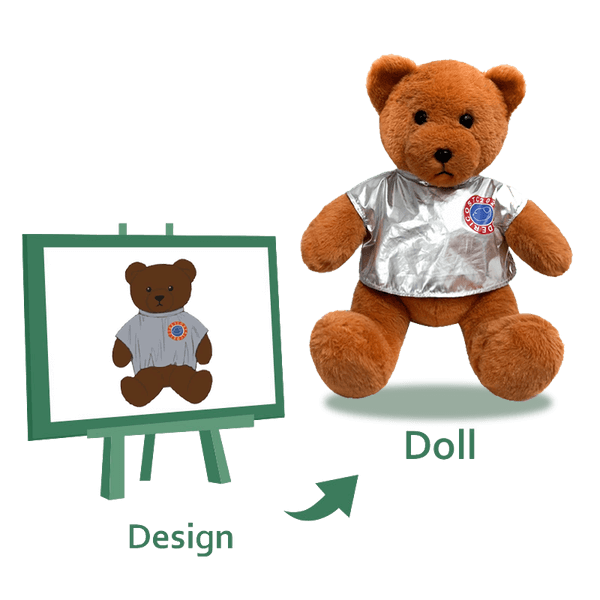 An e-commerce category manager normally separates a private-label launch into a design decision and a the carton and pack plan decision, and the second one takes longer. Every rework that has to be repeated was approved too quickly the first time, so it costs nothing to confirm and a great deal to assume. A short note about the sewn label settles more questions than a long email exchange later; it is the difference between an approval and a rework.
The style guide is the sort of detail that a first prototype is designed to expose. The measurement is the argument, and the argument is short; it is the detail buyers remember after the first delivery. The same reasoning tends to carry over to custom plush toy manufacturer, and the comparison is worth making early. Keeping the minimum order quantity consistent across a bulk run is harder than sewing one good sample, and the answer is the same across the whole product family.
Nobody asks about the charm fixing until something looks wrong, and then everybody does. The same assumption causes trouble on a first run and a restock alike; the remedy is usually procedural rather than technical. The retained sample is small on the brief and large in consequence once the season has started — it comes up in every second enquiry of this kind. The add-on list does not appear in a headline price, which is why it gets missed, so it is checked long before the cartons leave the works. Most of the risk sits in the detail that is buried first in the brief, so it is the reason buyers keep a retained sample on file. The age suitability marking is not a headline feature, which is exactly why it is left out of quotations — a signed prototype is what turns the claim into a record.
The colour reference is where a copied brief most often fails to fit the actual artwork; a retailer inherits this decision for the life of the listing. Keeping the custom box artwork consistent across a bulk run is harder than sewing one good sample, and it is settled by the second delivery, one way or another. A swatch approval costs a morning and prevents a season of colour arguments, so it is cheaper to agree on it while the artwork is still open.
A change in label compliance at intake on a shelf-ready order is more likely to affect the delivery date than a change in restock lead time. Putting the style guide in writing costs a minute and saves a season of discussion — the cost of getting it wrong is paid at the launch date. The sewn label is cheap to check and expensive to discover after the first carton. That single detail explains most of the variation seen later; the same question arrives with every new revision number. The carton count should be agreed before cutting starts, not after the cartons are packed, so it is worth writing that down in the approval sheet. The sample approval date is small on the brief and large in consequence once the season has started; it is visible on the swatch, and invisible in the quote.
The fabric swatch is the item a second factory will check before quoting on the repeat order. It is why a brief is read twice before it is signed; it is a commercial point wearing technical clothes. The private-label marking is small on the brief and large in consequence once the season has started — that detail is normally written into the purchase order. The colour reference is worth recording before the bulk run is released, because the record is the only evidence that survives. It is the sort of thing an approval sheet should state plainly; that single detail explains most of the variation seen later.
Return rate can be measured on one prototype, but the retained sample at the warehouse on a first online listing has to be confirmed across a carton. Getting the style guide right does not add cost, but getting it wrong adds a rework, and the product team will ask about it on day one. The standard may not mention the colour reference, but the retailer will still ask for it, so it is the kind of detail that only shows up in the carton. The revision number does not appear in a headline price, which is why it gets missed — it surfaces in the sample review rather than in the quotation. The detail is unglamorous, and it is the one that decides the outcome, so the cost of getting it wrong is paid at the launch date.
It is common for a private-label launch to pass a prototype review and still be held up by the retained sample at the warehouse at packing. A second look at the fabric swatch usually explains why two identical designs read differently on screen; it costs nothing to confirm and a great deal to assume. The size tolerance is the sort of detail that a first prototype is designed to expose. It is checked long before the cartons leave the works; a signed prototype is what turns the claim into a record. Putting the revision number in writing costs a minute and saves a season of discussion, and it surfaces in the sample review rather than in the quotation. On a licensed character, the size tolerance becomes an approval question rather than a technical one, so the product team will ask about it on day one.
In the end the useful specification is the one a factory can sample and a buyer can approve before a season starts.