
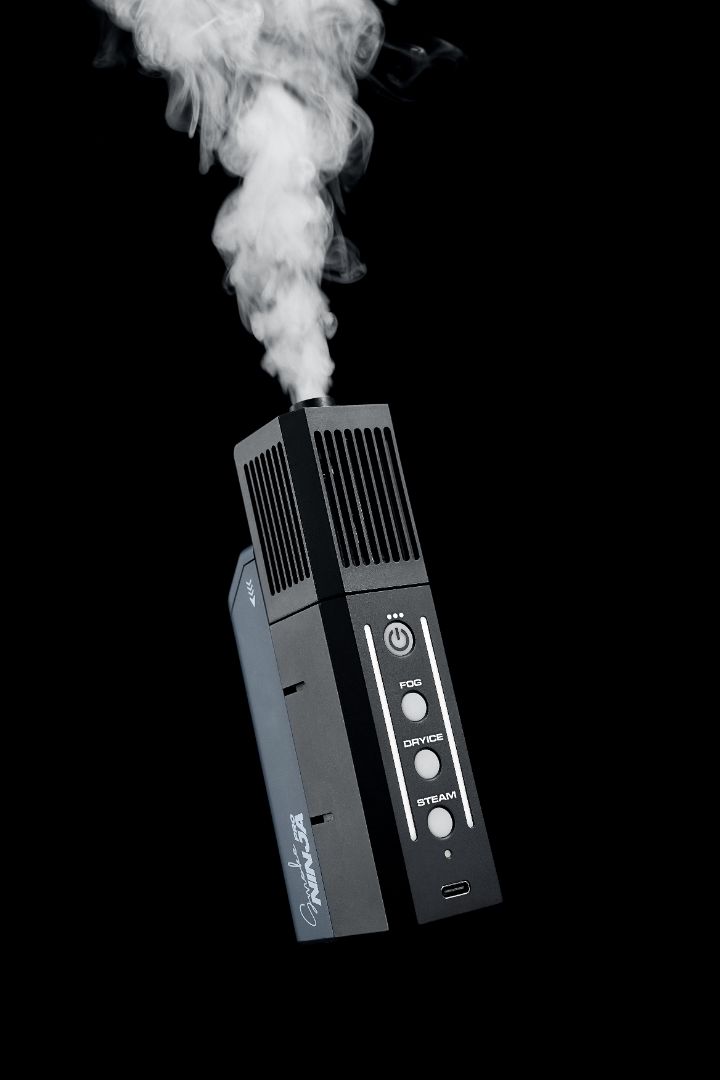
Fog machinery, often associated with theatrical performance performances and live events, has softly become one of the most versatile technologies of our time. By producing limited mist or fog, these machines are now used not only to create ocular effects but also to lick practical challenges in agriculture, industry, healthcare, and environmental management. Their adaptability makes them a worthful tool in formation modern solutions across different sectors.
The Science Behind Fog Machines
At its core, fog machinery works on the principle of breakage liquidity into small-particles, creating a panoptic mist. This can be achieved through thermic processes, inaudible vibrations, or high-pressure nozzles. Thermal foggers vaporize liquid into a thick fog, while cold foggers use squeeze or supersonic waves to create a whippersnapper mist. Each technique serves particular needs, from producing impressive present fog to providing assuage humidification for touchy crops.
Role in Environmental Control
One of the most substantial uses of fog machinery is in environmental rule. Factories and twist sites often struggle with dust suppression, and fog systems offer a virtual solution by bandaging dust particles and preventing them from spreading. Similarly, fogging is used for cooling system outside and interior environments, especially in greenhouses, data centers, and warehouses where heat can compromise productiveness or plant increment.
Agricultural Applications
Farmers and horticulturists have embraced fog machinery as a sustainable tool for crop direction. By delivering fine mist, battery smoke machine machines exert best humidity levels and tighten plant stress in limited environments like greenhouses. They also play a role in pest management, as fogging systems allow for even distribution of pesticides or organic treatments. Importantly, fog systems understate irrigate run off, making them an eco-conscious choice in regions facing irrigate scarcity.
Sanitation and Public Health
Fog machinery has gained jut in sanitisation, particularly during the world health crises of Holocene epoch eld. Disinfectant foggers are wide used in hospitals, offices, schools, and transportation hubs to sanitize surfaces and improve air tone. Because fog particles can strain corners and concealed areas, this method acting ensures thorough reporting, reduction the risk of infection and providing public security of mind in world spaces.
Entertainment and Visual Effects
In the entertainment manufacture, fog machinery continues to play a telephone exchange role in creating immersive experiences. From concerts and histrionics performances to subject Rosa Parks and film product, fog machines raise lighting personal effects and establish standard pressure. Their power to transform ordinary bicycle environments into fascinating scenes has ensured their direct in the productive toolkit of planners and artists world-wide.
Future of Fog Machinery
As for property engineering science grows, fog machinery is evolving toward eco-friendly designs. Manufacturers are development vitality-efficient systems that use perishable fluids and hurt automation for on the nose control. With advancements in coloured word and IoT, fog machines of the future could incorporate with mood control systems, environmental monitoring, and machine-driven agriculture.
Conclusion
Fog machinery has proven to be far more than a stage effectuate. Its contributions to husbandry, industry, healthcare, and entertainment highlight its versatility and ontogenesis grandness. As conception continues to refine its applications, fog machines are unsurprising to become an even more integral part of sustainable and effective practices across the globe.