
The wellness industry is experiencing unprecedented growth as health-conscious consumers increasingly turn to vitamins, supplements, and holistic remedies. This surge in demand brings with it new challenges and opportunities in product packaging—where functionality meets brand expression and environmental responsibility. Modern wellness packaging must protect sensitive formulations, communicate brand values, and satisfy eco-conscious consumers, all while standing out in a crowded marketplace. The right packaging solution can transform a simple supplement into a trusted daily ritual, making material choices, design elements, and sustainability features critical considerations for brands looking to make an impact.
The Modern Wellness Consumer Landscape
Today's supplement users are more informed and discerning than ever before. With 47% of U.S. adults suffering from stress or anxiety willing to try alternative approaches to stress management, the market for wellness products has expanded dramatically. However, this growth comes with increased consumer skepticism—60% prefer clinically proven claims over marketing hype, while 20% prioritize clean and organic formulations. These preferences directly influence packaging requirements, with transparency and educational content becoming essential elements of supplement packaging design.
of U.S. adults with stress/anxiety are open to alternative wellness solutions (Mintel)
of consumers prioritize clinically proven claims over marketing language (McKinsey)
This evolving consumer landscape creates both challenges and opportunities for wellness brands. Packaging must serve multiple functions—protecting product integrity, communicating scientific validity, and creating emotional connections through design. The most successful brands treat every surface as valuable real estate for storytelling, using packaging to build trust and differentiate their products in a market where consumers are increasingly wary of unsubstantiated claims.
Sustainability as a Packaging Imperative
The shift toward sustainable packaging is no longer optional for wellness brands. Environmentally conscious consumers now expect packaging solutions that minimize waste and maximize recyclability. Aluminum has emerged as a particularly strong contender, boasting one of the highest global recycling rates of any material. Glass remains popular for premium products, while innovative bioplastics and paper-based solutions are gaining traction across the industry.
Circular packaging models are transforming the market, with refillable systems allowing consumers to reduce waste while maintaining product freshness. These approaches not only appeal to eco-conscious buyers but also create ongoing brand engagement opportunities. As legislation increasingly targets single-use plastics, forward-thinking brands are proactively redesigning their packaging to meet both regulatory requirements and consumer expectations.
Eco-friendly packaging represents more than environmental responsibility—it's a powerful brand differentiator in the wellness space. Sustainable materials and refill systems communicate alignment with consumer values while offering tangible benefits like improved shelf life and product protection. The most effective solutions combine sustainability with premium aesthetics, proving that environmental consciousness and luxury can coexist in popular packaging formats.
Innovative Materials and Formats
| Material | Benefits | Best Applications |
|---|---|---|
| Recycled PET | Lightweight, shatterproof, highly recyclable | Daily supplement bottles, travel sizes |
| Post-Consumer Resin | Gives new life to existing plastic waste | Bulk supplement containers, value sizes |
| Plant-Based Plastics | Renewable sources, often compostable | Single-serve packets, portion control |
| Glass with Bamboo Lids | Premium feel, fully recyclable, sustainable closures | Liquid supplements, tinctures |
Material innovation is just one aspect of modern wellness packaging. Format plays an equally important role in user experience and product differentiation. Single-dose packaging addresses convenience and precision dosing needs, while multi-compartment designs help consumers organize complex supplement regimens. Airless pump bottles protect sensitive formulations from oxidation, and innovative closure systems ensure child safety without compromising accessibility for older users.
Design Trends Shaping Wellness Packaging
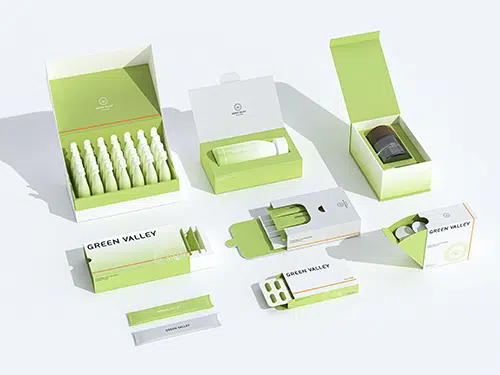
Visual design plays a crucial role in communicating a wellness product's positioning and values. Current trends see brands adopting soothing pastel palettes that evoke calm and wellbeing—a stark contrast to the bright, clinical aesthetics traditionally associated with vitamins. Bold geometric patterns create shelf impact while conveying stability and precision, while chunky, approachable typography makes complex supplement information more accessible to everyday consumers.
Transparency—both literal and figurative—has become a defining characteristic of successful wellness packaging. Clear windows allow consumers to view product forms, while extensive labeling provides detailed information about ingredients, sourcing, and clinical backing. This openness aligns with consumer demand for honesty in an industry where trust is paramount. Many brands are incorporating sustainability certifications and recycling instructions directly into their packaging designs, further reinforcing their commitment to environmental responsibility.
Functional Innovations in Supplement Packaging
Beyond aesthetics, packaging functionality has become a key differentiator for wellness brands. Smart packaging solutions now incorporate features like built-in dose counters, moisture-absorbing desiccants, and UV-protective materials to preserve product potency. Some innovative systems even integrate digital elements—QR codes that link to usage tutorials or batch-specific test results, creating interactive experiences that build consumer confidence.
Portability represents another critical consideration. As wellness becomes an on-the-go priority, packaging must adapt to busy lifestyles. Travel-friendly formats, single-serve options, and leak-proof designs allow consumers to maintain their wellness routines anywhere. These practical innovations often become selling points in themselves, with packaging functionality featured prominently in marketing materials and product descriptions.